The survey is the brief
We do not begin with a concept. We begin with a measured reading of the fabric, the ground, and the way the place is used. That reading produces the constraints, and the constraints produce the design.
We work on buildings that already exist. That is not a specialty we added; it is the reason the practice was founded. The work is precise, materially led, and deliberately slow at the start.
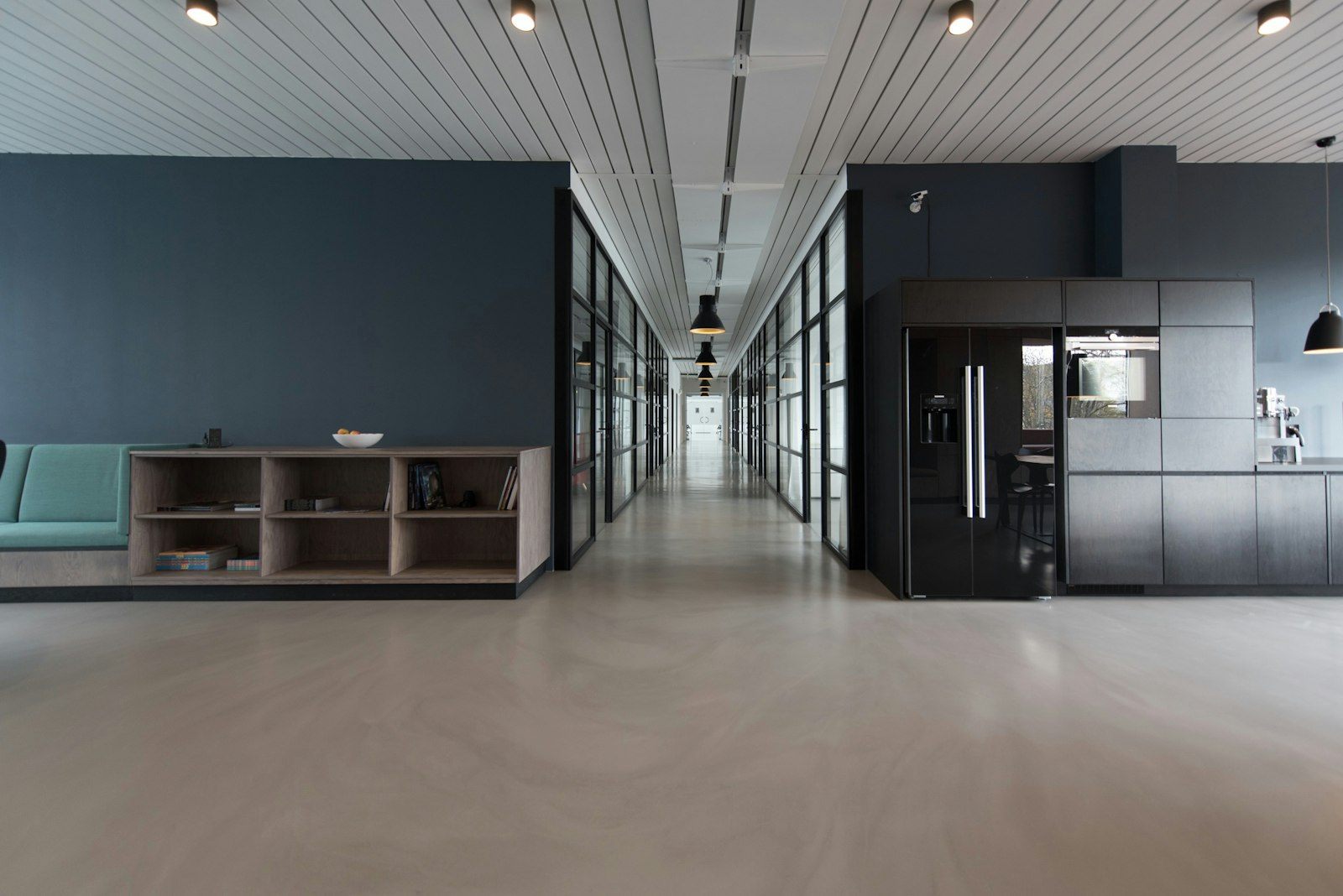
The most sustainable building is usually the one that is already standing. The most interesting one is usually the one that has been used hard and changed often.
Arris & Alder was set up to work on that second category. We take on adaptations, repairs, and insertions where the existing fabric is not a backdrop but a collaborator. The practice is small because the work is close: the person who draws the detail should be the person who visits the site.
We are not a heritage practice in the conventional sense. We do not treat old buildings as museum objects. We treat them as working structures with a maintenance history, a carbon debt already paid, and a set of habits that are worth understanding before they are changed.
We do not begin with a concept. We begin with a measured reading of the fabric, the ground, and the way the place is used. That reading produces the constraints, and the constraints produce the design.
Old buildings are not valuable because they are old. They are valuable when they still do work: structure, shelter, climate, identity. We keep those parts and replace the rest without apology.
We do not mimic historic fabric. A new frame is drawn as a new frame. A repair is recorded as a repair. The building should be readable as a sequence of decisions, not a single fake period.
Every junction should be reachable, separable, and fixable. We write a fabric plan with the building, not after it. A detail that cannot be maintained is a detail that has not been designed.
Fictional practice. Certifications, registrations, and insurance limits are illustrative for this demonstration and do not represent a real accredited business.
Clients are fictional, but the kinds of client are not: trusts, parish councils, housing co-operatives, and private owners with a building they cannot quite leave alone.
Fictional names, listed for demonstration.
No open roles. We keep a small studio and hire slowly. If you want to send a portfolio for future consideration, use the contact sheet and mention the kind of work you want to do.
Studio address: Unit 4, Bell Yard, London SE1 3QY
If the building is already there, we will start with what it is doing. Tell us what you have and what is getting in the way.
Start a transmittal